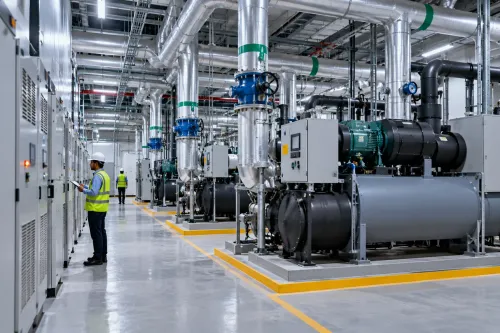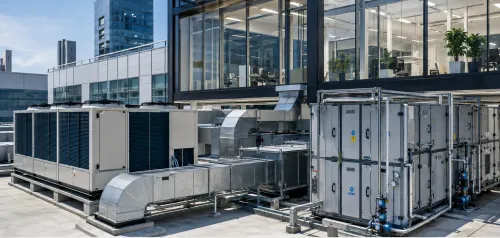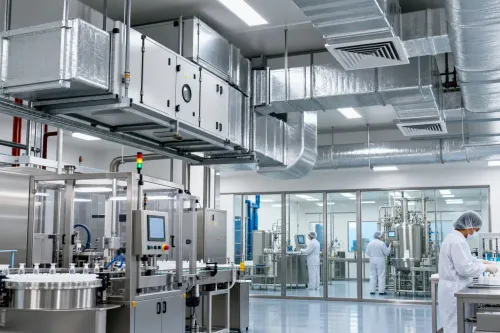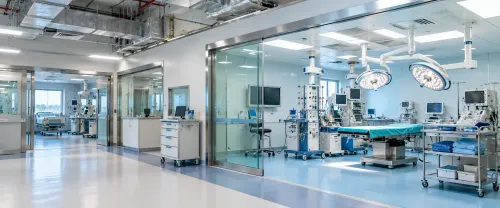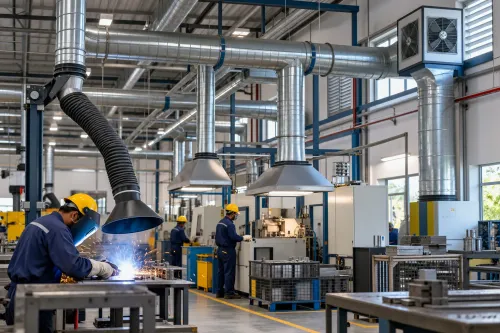
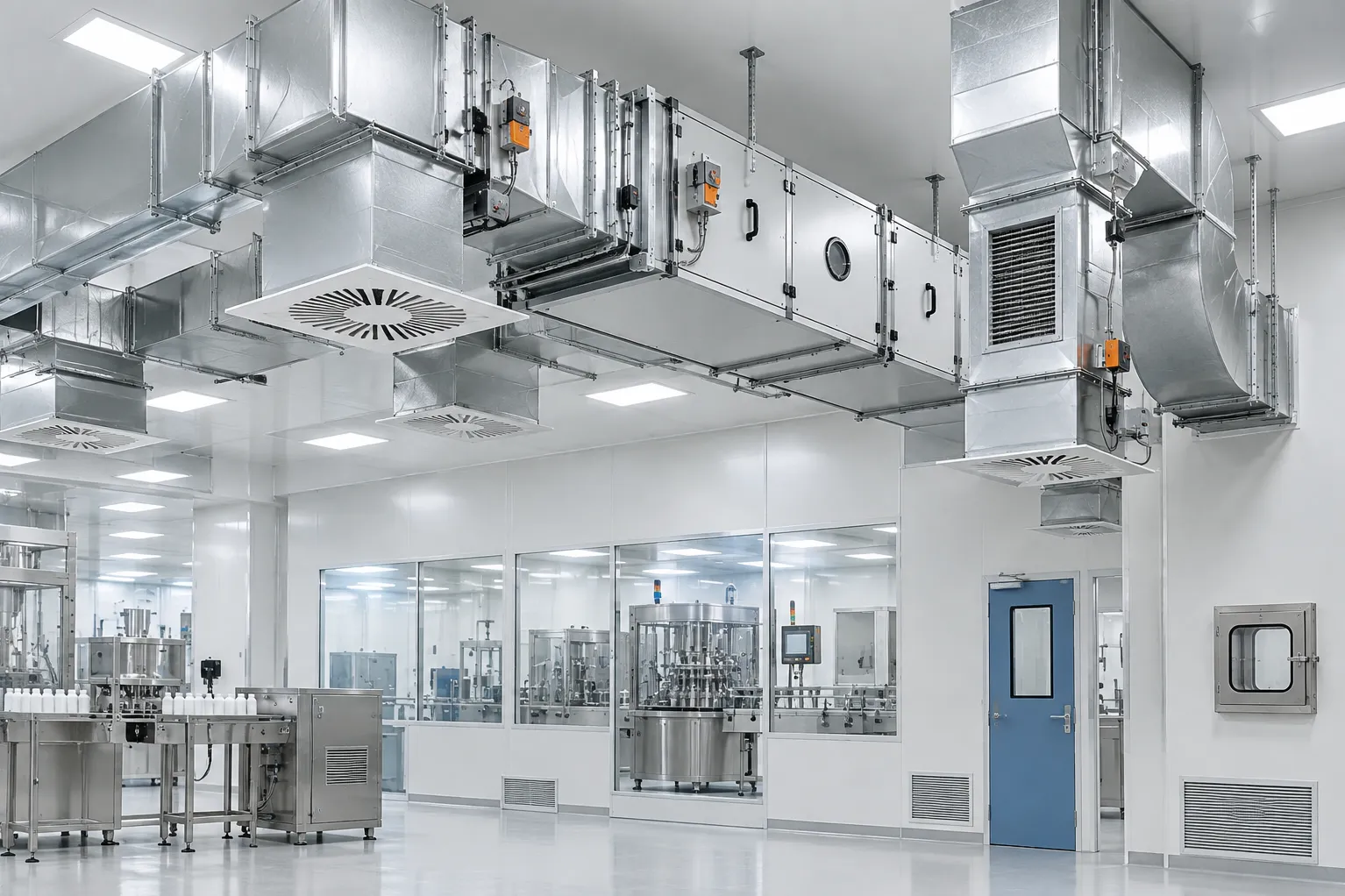
Pharmaceutical facilities may contain production rooms, laboratories, clean areas, warehouses, utility spaces, packaging zones, and support areas with very different environmental requirements. HVAC engineering therefore has a direct role in supporting controlled operating conditions.
Reliable HVAC Systems for the Pharmaceutical Industry are developed around process requirements, room classifications, pressure relationships, filtration, temperature, humidity, airflow, monitoring, and maintainability.
For pharmaceutical projects in Bangalore and Karnataka, selecting an engineering team becomes particularly important when a facility is moving from concept planning into detailed design.
Define Room Requirements Before Equipment Selection
A common mistake is discussing equipment before establishing what each space actually needs.
The engineering team should first understand room function, process activity, cleanliness requirements, heat loads, occupancy, operating hours, temperature range, humidity range, and required pressure relationship.
These parameters form the basis of the HVAC design.
Develop the Pressure Strategy Early
Pressure relationships between rooms can support the intended movement of air within controlled areas.
The pressure concept needs to be coordinated with room layouts, door locations, airlocks, supply airflow, return airflow, exhaust, and building leakage.
Leaving this work until late in design can create conflicts with architectural layouts and process planning.
Match Filtration to the Application
Filtration arrangements should reflect the required environmental conditions and applicable project criteria.
Engineers also need to account for how filter loading changes system resistance over time.
Fan selection, filter monitoring, access, replacement procedures, and maintenance space therefore become part of the engineering solution.
Plan Temperature and Humidity Together
Maintaining room temperature alone may not provide the environmental stability needed by pharmaceutical operations.
Fresh-air loads, process moisture, occupancy, infiltration, cooling-coil performance, and control sequences can influence relative humidity.
The HVAC system needs to be evaluated across expected operating conditions rather than at a single design point.
Build Monitoring Into the Design
Controlled environments benefit from visibility into actual performance.
Depending on the application, monitoring may include temperature, humidity, room pressure, equipment status, filter condition, and alarms.
Building automation can centralise selected information and help operators recognise abnormal conditions. The monitoring architecture should be defined early enough for mechanical, electrical, and control requirements to be coordinated.
Consider Maintenance Without Compromising Operations
Filters, fans, coils, sensors, dampers, and other components require periodic attention.
Equipment placement should allow technicians to carry out maintenance with practical access while considering the operational requirements of controlled areas.
This becomes particularly important when facilities operate continuously.
Choose Engineering Capability Based on Facility Complexity
A pharmaceutical project may require coordination between process consultants, architects, HVAC engineers, electrical engineers, utility specialists, automation teams, contractors, and validation personnel.
Arete Consulting Engineers provides HVAC, MEP, refrigeration, building automation, and building-services engineering. Such multidisciplinary coordination can help align mechanical systems with the wider infrastructure required by pharmaceutical facilities.
For project owners in Bangalore, readiness for detailed HVAC engineering generally improves once room data, process requirements, architectural layouts, major equipment loads, and utility information are available. Engaging engineers earlier can still help establish plant spaces, service shafts, air-handling concepts, and preliminary utility loads.
Pharmaceutical HVAC performance depends on far more than cooling capacity. A dependable design should translate process and environmental requirements into a system that can be installed, controlled, tested, monitored, and maintained throughout the facility's operating life.
Keywords