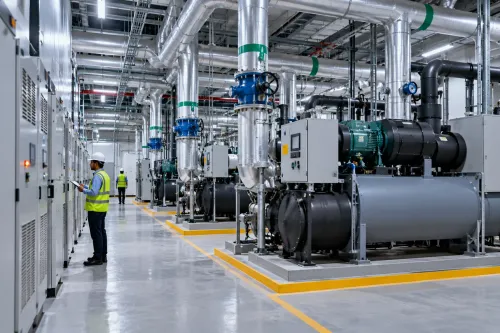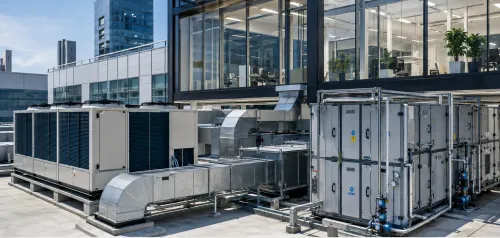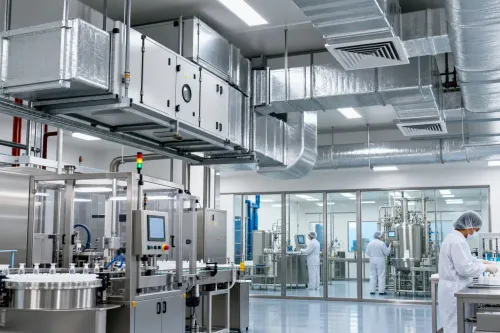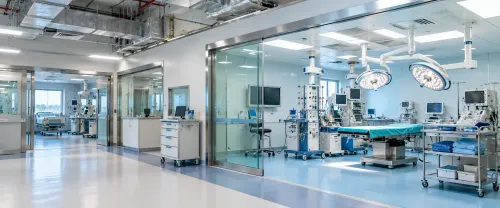
Heat buildup, fumes, dust, vapours, odours, and process emissions can make industrial environments difficult to manage. Installing additional fans may appear to be a simple solution, but effective ventilation depends on how contaminants are generated, captured, transported, exhausted, and replaced with incoming air.
That is why Industrial Ventilation Systems should be engineered around the process and workspace rather than selected solely according to building size.
Manufacturing and industrial facilities in Bangalore and across Karnataka can benefit from a systematic assessment when existing ventilation no longer maintains suitable working conditions.
Persistent Heat Is an Important Warning Sign
Industrial equipment can release substantial heat into occupied areas.
If workers experience consistently high temperatures despite existing ventilation, the issue may involve inadequate airflow, poor air distribution, insufficient exhaust, excessive heat generation, or inappropriate replacement-air arrangements.
Engineers need to identify the source before recommending additional ventilation capacity.
Fumes Need Capture Near the Source
Diluting contaminants throughout an entire building is not always the most effective approach.
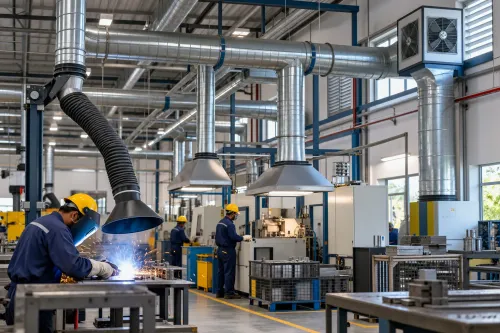
Where suitable, local exhaust ventilation can capture fumes, vapours, or airborne contaminants closer to their point of generation.
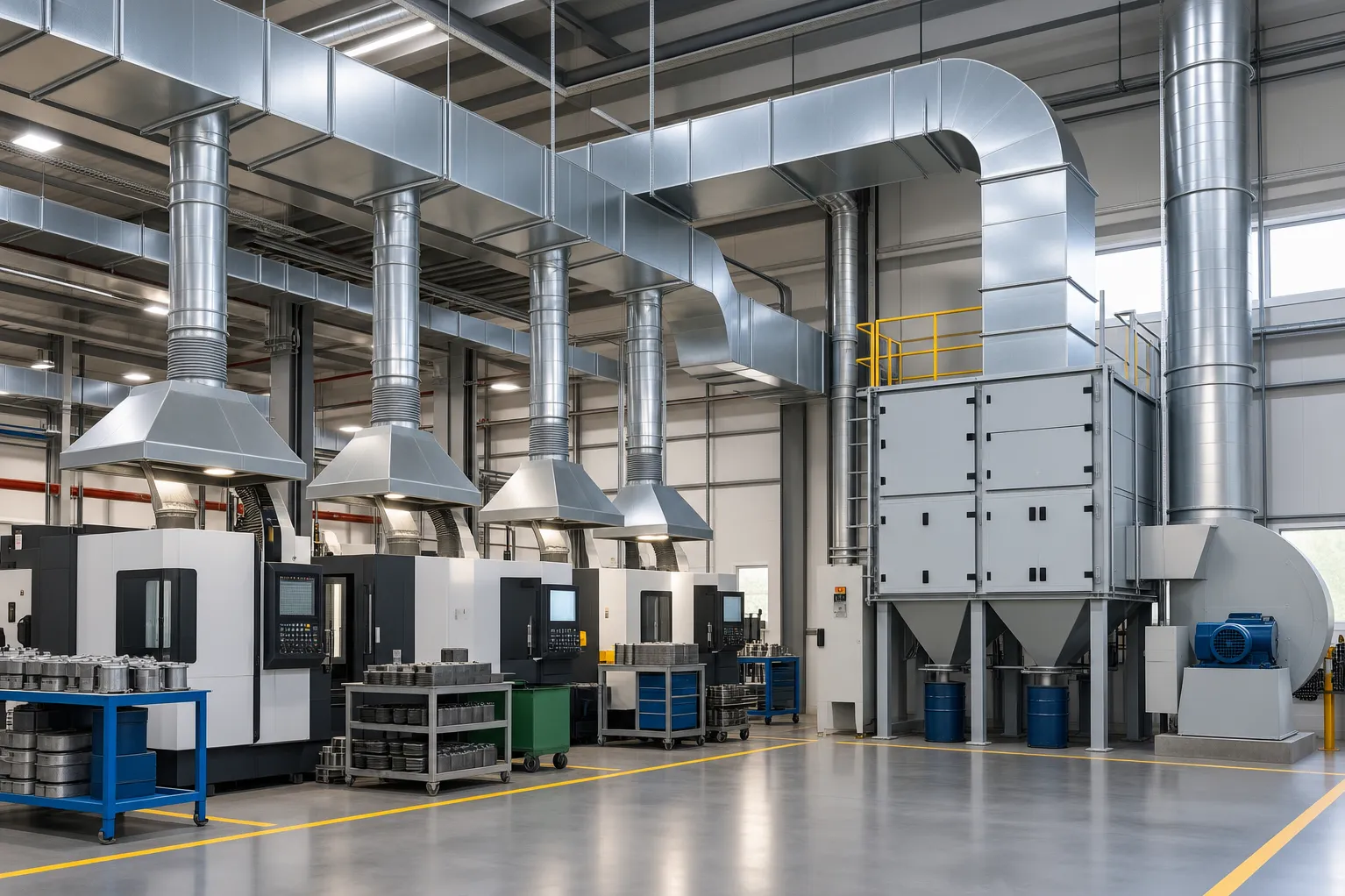
Hoods, ducts, fans, discharge arrangements, and replacement air need to function as a complete system. Poorly designed capture points can allow contaminants to escape into the general workspace.
Dust Creates Different Engineering Challenges
Dust-generating operations require careful evaluation of particle characteristics, process behaviour, collection methods, duct velocities, filtration, and safe discharge.
Ventilation requirements should be based on the actual industrial process and applicable safety requirements.
Simply increasing airflow without understanding the material being handled may not solve the underlying issue.
Replacement Air Cannot Be Ignored
Every large exhaust system removes air from a building. That air needs to be replaced.
Without properly planned replacement air, a facility may develop excessive negative pressure. Doors can become difficult to operate, uncontrolled outdoor air may enter through openings, and exhaust performance can be affected.
A balanced approach considers both extraction and incoming air.
Air Distribution Can Reveal Hidden Problems
A facility may technically have sufficient total airflow while still containing stagnant zones.
Machinery, partitions, storage racks, production lines, and structural elements can obstruct air movement.
Site observations and engineering analysis can help determine whether supply and exhaust locations are creating useful airflow paths through occupied and process areas.
Energy Use Should Be Evaluated
Industrial fans can operate for long periods and consume significant energy.
Fan selection, duct pressure losses, motor efficiency, variable-speed control, operating schedules, and system resistance all affect power consumption.
Designing duct routes efficiently can therefore contribute to lower operating demand.
Existing Facilities May Need a Ventilation Review
Warning signs that justify an engineering assessment can include recurring heat complaints, visible contaminant accumulation, strong process odours, condensation, uncontrolled drafts, excessive negative pressure, and high fan energy use.
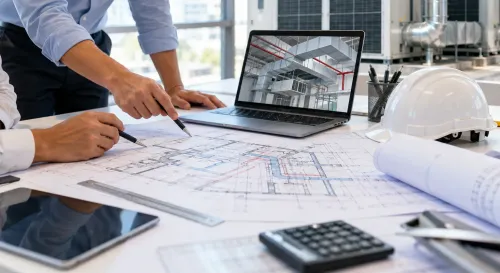
Arete Consulting Engineers provides HVAC and building-services engineering for industrial applications, including ventilation planning and coordination with related MEP systems.
For Bangalore industrial facilities, an engineering review can be particularly useful when production layouts change, new machinery is installed, output increases, or existing systems no longer match current operations.
Effective industrial ventilation is not simply about moving more air. It is about moving the correct quantity of air through the right locations, capturing contaminants effectively, supplying appropriate replacement air, and creating a system that can be operated and maintained safely and efficiently.
Keywords