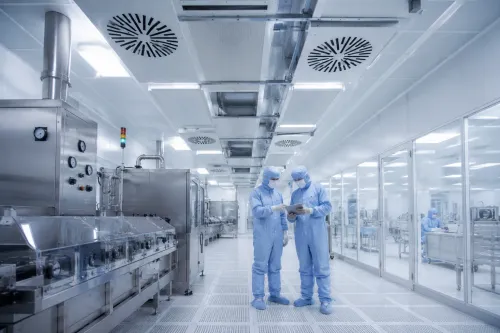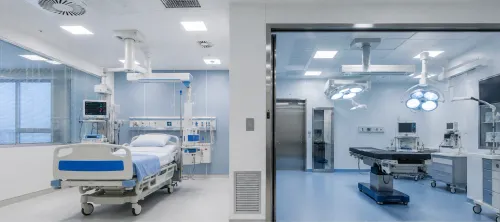


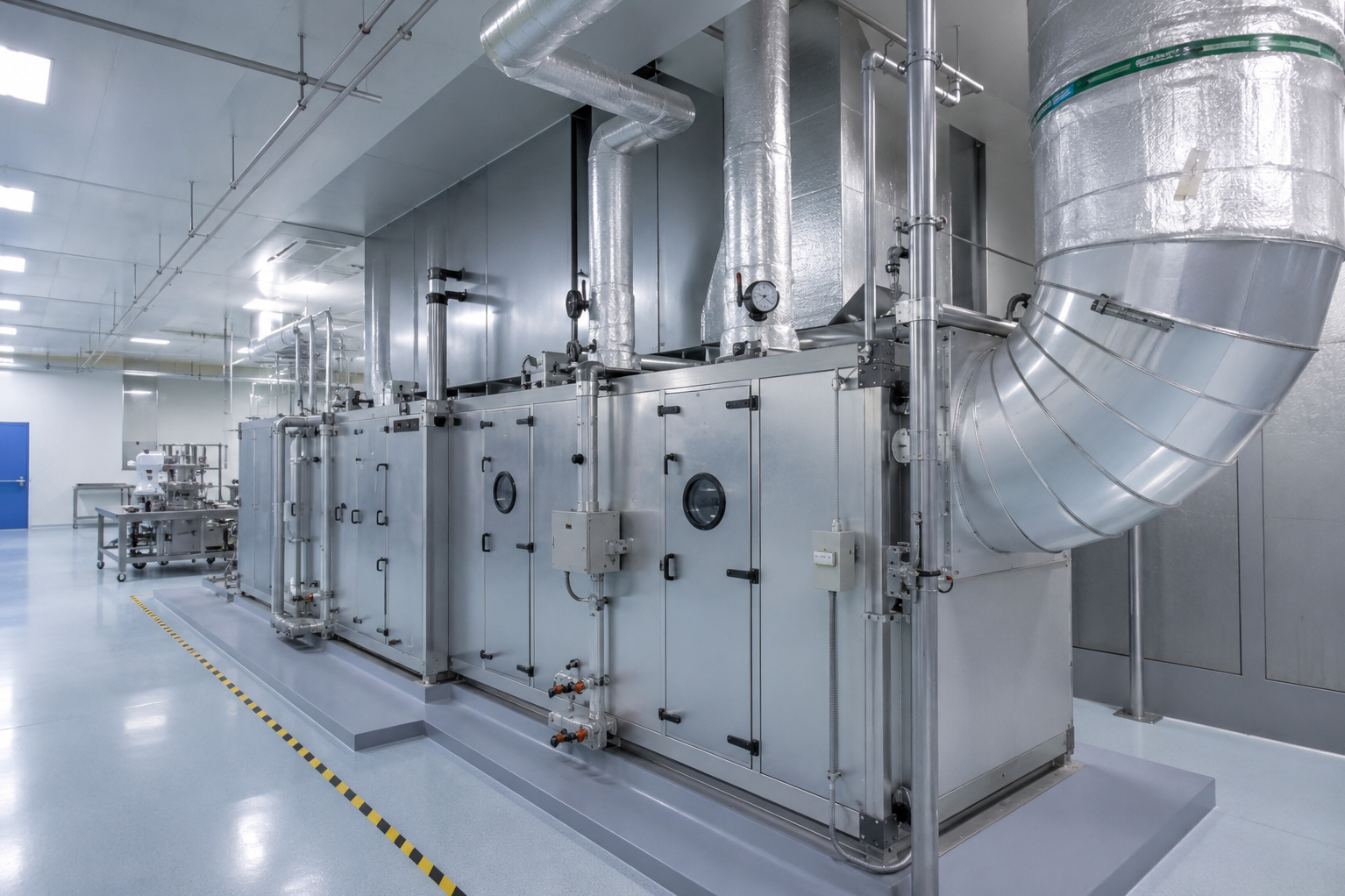
Pharmaceutical manufacturing depends on precision at every stage of production. From maintaining sterile environments to controlling temperature and humidity, every aspect of the facility influences product quality and regulatory compliance. This is why HVAC Systems for the Pharmaceutical Industry are considered one of the most critical building services in pharmaceutical plants.
Unlike conventional air conditioning, pharmaceutical HVAC systems are engineered to create controlled environments that protect products, processes, equipment, and personnel. A well-designed system minimizes contamination risks while supporting efficient manufacturing operations.
Why Pharmaceutical Facilities Need Specialized HVAC Systems
Medicines and healthcare products must be manufactured under carefully controlled environmental conditions. Variations in temperature, humidity, or airborne particles can affect product stability and manufacturing consistency.
A specialized HVAC system helps maintain:
- Consistent room temperatures
- Controlled humidity levels
- Proper air pressure relationships
- Clean air circulation
- Contamination-free production zones
- Safe working environments
These factors are essential for maintaining quality throughout the manufacturing process.
Key Areas That Require Controlled Environments
Not every section of a pharmaceutical facility has identical HVAC requirements. Different production stages require different environmental controls.
Common areas include:
- Raw material storage
- Production rooms
- Tablet and capsule manufacturing
- Sterile filling areas
- Packaging sections
- Quality control laboratories
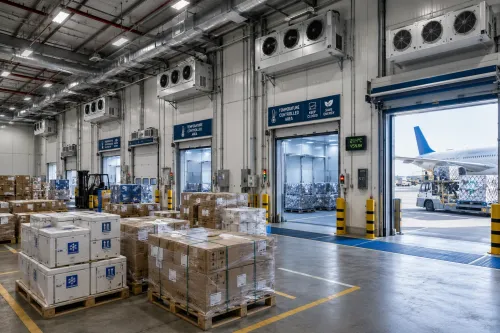
- Warehouses
- Personnel airlocks
Each area requires carefully planned airflow, filtration, and pressure control to reduce contamination risks.
Essential Features of Pharmaceutical HVAC Systems
Professional engineering focuses on more than cooling. Pharmaceutical HVAC systems typically incorporate:
- HEPA filtration
- Pressure cascade management
- Temperature monitoring
- Humidity control
- Fresh air ventilation
- Air change rate calculations
- Cleanroom compatibility
- Building Management System (BMS) integration
These features work together to maintain environmental consistency throughout the facility.
Common Challenges in Pharmaceutical Manufacturing
Without proper HVAC engineering, pharmaceutical plants may encounter issues such as:
- Cross-contamination between production areas
- Moisture affecting sensitive products
- Airborne particle accumulation
- Regulatory compliance concerns
- High operating costs
- Frequent equipment maintenance
Addressing these challenges during the design phase is far more cost-effective than modifying systems after construction.
Energy Efficiency Without Compromising Compliance
Pharmaceutical facilities often operate continuously, making energy consumption a significant operational expense.
Modern HVAC engineering can improve efficiency through:
- Variable speed drives
- Energy recovery systems
- High-efficiency air handling units
- Smart environmental monitoring
- Automated airflow control
These solutions reduce operating costs while maintaining strict environmental standards.
Why Integrated Engineering Matters
Pharmaceutical HVAC systems must function alongside electrical engineering, fire protection, public health engineering, and automation systems. Early coordination between engineering disciplines improves installation quality and minimizes construction conflicts.
For pharmaceutical projects in Bangalore, multidisciplinary consultants can also address regional climate conditions, local building regulations, and sustainable design objectives.
Engineering firms such as Arete Consulting Engineers provide integrated consultancy covering HVAC, electrical, fire protection, public health engineering, BMS, and green building services. This coordinated approach helps pharmaceutical developers achieve efficient project execution while supporting long-term operational performance.
HVAC Systems for the Pharmaceutical Industry are much more than environmental control solutions. They protect product integrity, support regulatory compliance, improve manufacturing efficiency, and create safe working conditions. Investing in specialized engineering during the planning stage helps pharmaceutical facilities operate reliably for years to come.