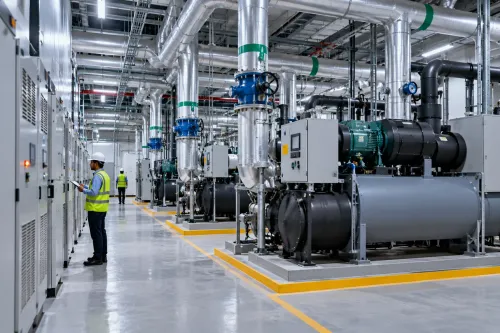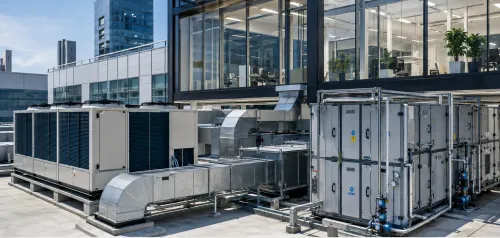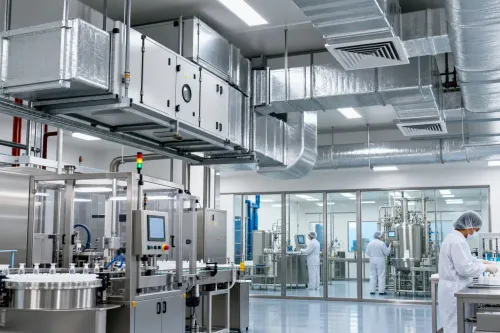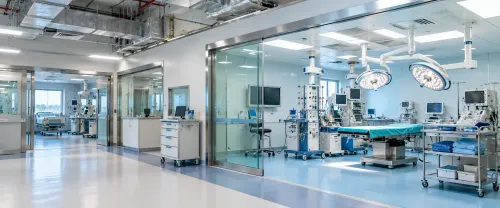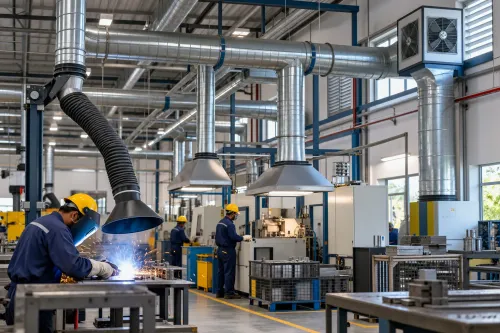
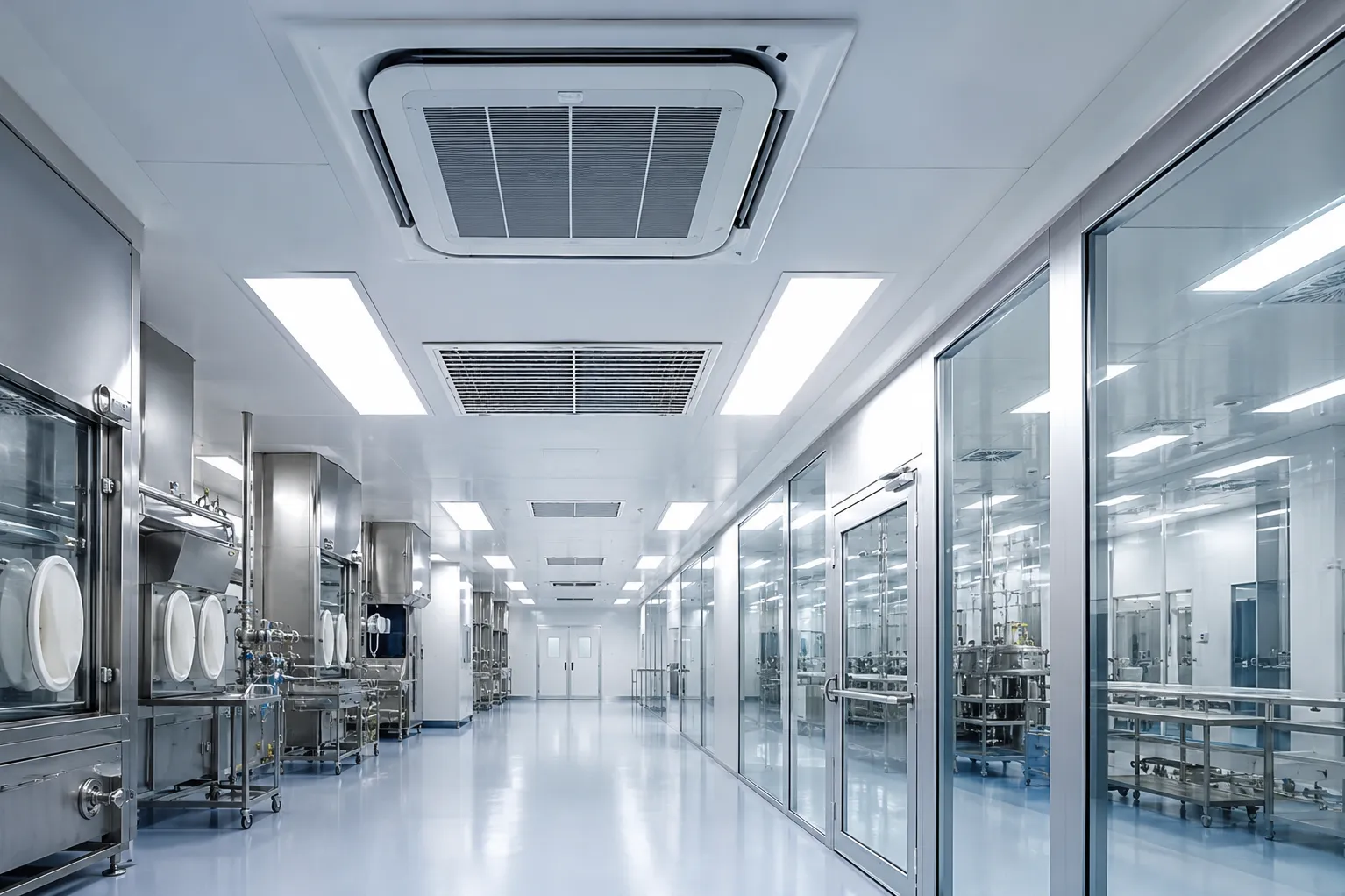
Industries where contamination control is essential cannot rely on conventional air conditioning systems. Pharmaceutical production, biotechnology laboratories, electronics manufacturing, semiconductor facilities, and healthcare environments all require carefully engineered Clean Room HVAC Systems that maintain highly controlled indoor conditions.
These specialized systems help regulate temperature, humidity, air cleanliness, pressure differentials, and airflow patterns to meet stringent industry requirements.
What Is a Clean Room HVAC System?
A clean room HVAC system is designed to minimize airborne particles while maintaining stable environmental conditions within enclosed spaces.
Unlike standard commercial HVAC installations, clean room systems continuously filter, circulate, and condition the air to maintain predefined cleanliness classifications.
The system typically controls:
- Airborne particulate levels
- Temperature
- Relative humidity
- Air pressure
- Air changes per hour
- Airflow direction
Each factor contributes to maintaining contamination-free manufacturing environments.
Why Clean Rooms Require Specialized Engineering
Even minor contamination can compromise product quality, laboratory testing, or manufacturing processes.
Proper HVAC engineering helps prevent:
- Product contamination
- Microbial growth
- Dust accumulation
- Cross-contamination
- Static electricity issues
- Moisture-related defects
Every design decision must align with the facility's operational requirements and regulatory standards.
Key Components of Clean Room HVAC Systems
Well-designed systems generally include:
- HEPA or ULPA filtration
- Air handling units
- Pressure control systems
- Return air systems
- Humidity control equipment
- Temperature regulation
- Airlock ventilation
- Monitoring and automation controls
Each component works together to create a stable controlled environment.
Common Applications
Clean room HVAC systems are widely used in:
- Pharmaceutical manufacturing
- Biotechnology research
- Hospital operation theatres
- Medical device production
- Semiconductor fabrication
- Precision engineering
- Research laboratories
- Aerospace manufacturing
Although every industry has different cleanliness requirements, the engineering principles remain similar.
Important Design Considerations
Professional consultants evaluate numerous technical factors before preparing a clean room HVAC design.
These include:
- Cleanliness classification
- Occupancy levels
- Equipment heat loads
- Product sensitivity
- Pressure zoning
- Airflow velocity
- Filter selection
- Future expansion requirements
Proper planning ensures consistent environmental performance throughout the facility.
Energy Efficiency Without Compromising Quality
Clean rooms operate continuously, making energy efficiency an important consideration.
Modern engineering strategies include:
- Variable air volume control
- Energy recovery systems
- Efficient fan technologies
- Automated monitoring
- Smart building controls
These measures help reduce operating costs while maintaining strict environmental standards.
Growing Demand Across Bangalore
Bangalore continues to attract investments in pharmaceuticals, biotechnology, electronics, and advanced manufacturing. As these industries expand, demand for reliable clean room engineering has increased throughout the region.
Engineering firms familiar with clean room applications can coordinate HVAC, electrical, fire protection, and building management systems to ensure seamless project delivery.
Arete Consulting Engineers provides multidisciplinary engineering support for projects requiring controlled environments, helping developers integrate mechanical systems with other critical building services during the design phase.
Clean Room HVAC Systems are fundamental to maintaining product quality, operational compliance, and manufacturing reliability. A carefully engineered solution provides long-term environmental stability while supporting efficient operations in industries where precision is non-negotiable.
Keywords