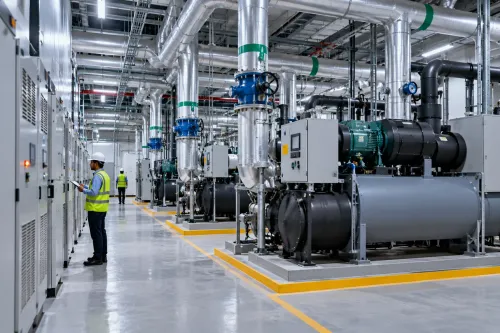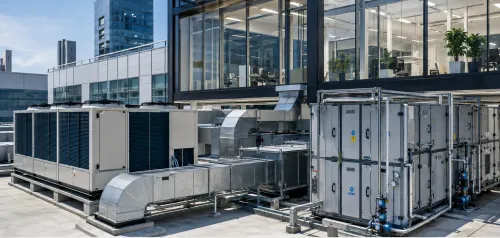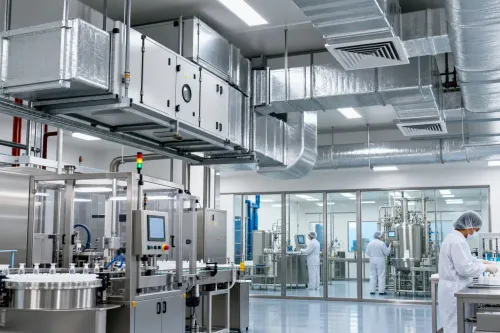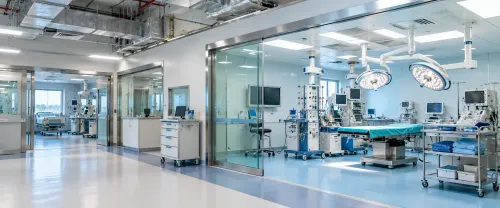
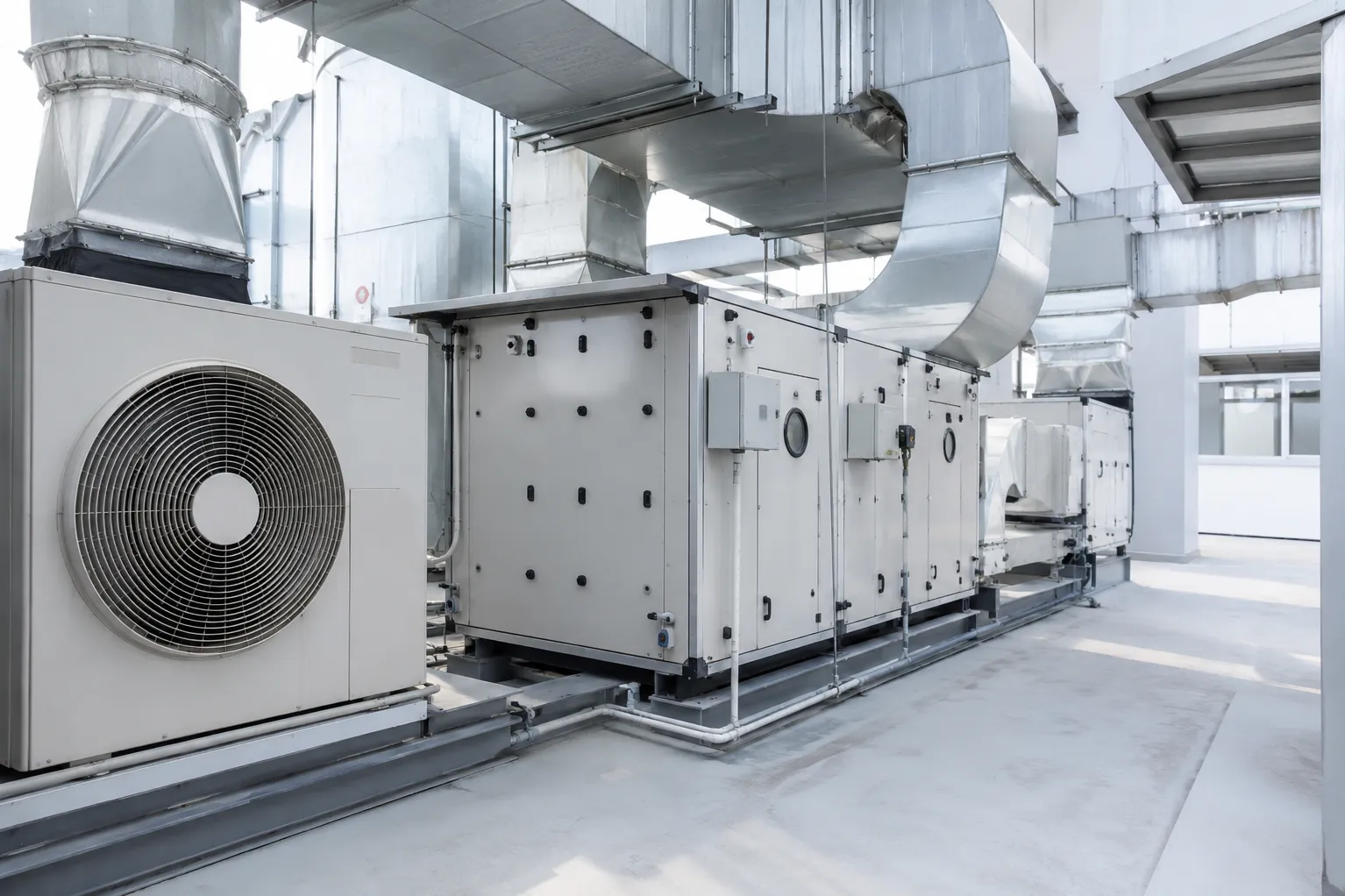
Hospitals require one of the most demanding HVAC environments of any building type. Unlike offices or retail spaces, healthcare facilities must maintain precise temperature, humidity, ventilation, and pressure levels around the clock. Choosing the right HVAC Systems for Hospitals is therefore a critical decision that affects patient safety, infection control, operational efficiency, and regulatory compliance.
For healthcare developers and project consultants, evaluating an HVAC solution involves much more than selecting equipment. It requires understanding how the system will perform across different hospital departments and throughout the building's lifecycle.
Start with Clinical Requirements
Every hospital area has unique environmental requirements. A single HVAC design cannot be applied uniformly across all departments.
Critical spaces include:
- Operating theatres
- Intensive Care Units (ICUs)
- Isolation rooms
- Emergency departments
- Diagnostic laboratories
- Patient wards
- Pharmacies
- Sterilization units
Each area demands specific airflow rates, pressure relationships, filtration levels, and temperature control.
Prioritize Air Quality and Infection Control
Indoor air quality is one of the primary reasons hospitals require specialized HVAC engineering.
A well-designed system should support:
- Continuous fresh air supply
- HEPA filtration where required
- Controlled airflow direction
- Reduced airborne contamination
- Stable humidity levels
- Reliable ventilation during peak occupancy
These features help create safer environments for patients, visitors, and healthcare professionals.
Evaluate System Reliability
Hospitals operate 24 hours a day without interruption. HVAC failures can disrupt medical procedures and affect patient care.
When evaluating a system, consider:
- Redundant equipment for critical areas
- Backup power integration
- Easy maintenance access
- Continuous monitoring
- Fault detection capabilities
- Spare capacity for emergencies
Reliability should never be compromised for lower initial costs.
Look Beyond Initial Investment
Choosing HVAC equipment solely based on purchase price can increase operating expenses over time.
Instead, compare:
- Energy efficiency
- Maintenance requirements
- Equipment lifespan
- Spare parts availability
- Automation features
- Lifecycle operating costs
An efficient system often delivers greater long-term value than a lower-cost alternative.
Integration Is Essential
Hospital HVAC systems interact closely with:
- Electrical infrastructure
- Medical gas services
- Fire protection systems
- Building Management Systems (BMS)
- Public health engineering
- Architectural layouts
Early multidisciplinary coordination reduces installation conflicts and improves project delivery.
Sustainability Is Becoming a Priority
Modern hospitals increasingly focus on reducing energy consumption without affecting patient care.
Engineering strategies may include:
- Variable air volume systems
- Heat recovery
- Smart energy monitoring
- Efficient chillers
- Occupancy-based controls where appropriate
These approaches lower operating costs while supporting environmental goals.
Why Local Engineering Experience Matters
Healthcare construction in Bangalore continues to expand with new hospitals, specialty centres, and medical research facilities. Local engineering consultants understand regional climate conditions, statutory requirements, and healthcare infrastructure challenges, allowing them to develop practical and efficient HVAC solutions.
Organizations such as Arete Consulting Engineers provide integrated engineering services that combine HVAC, electrical, fire protection, public health engineering, BMS, and green building consultancy. This coordinated approach helps healthcare projects move from design to execution with fewer complications.
Selecting the right HVAC Systems for Hospitals is ultimately about protecting patient wellbeing while ensuring operational reliability. Careful engineering decisions made during the planning stage create healthcare facilities that remain safe, efficient, and adaptable for many years.
Keywords