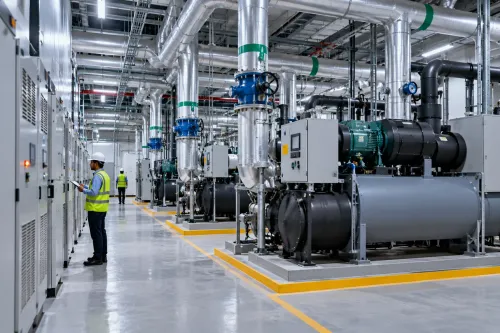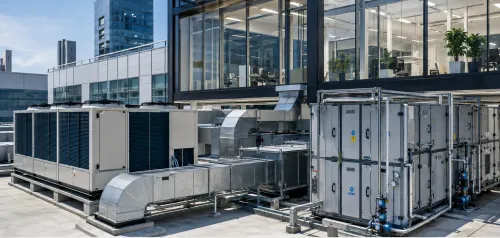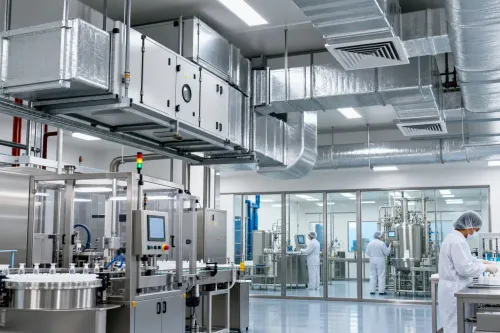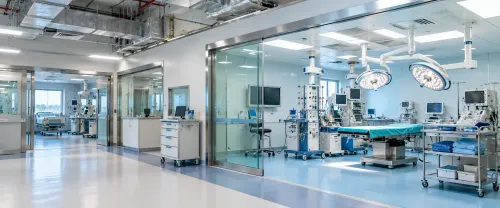
Modern commercial buildings are expected to deliver much more than comfortable indoor temperatures. Office complexes, retail spaces, hotels, educational campuses, and mixed-use developments require HVAC systems that improve energy efficiency, maintain indoor air quality, and support long-term operational reliability. This is where professional HVAC Design and Engineering Services become an essential part of every successful construction project.
A well-designed HVAC system influences occupant comfort, operating costs, sustainability goals, and the overall performance of the building throughout its lifecycle.
Why HVAC Design Matters Before Construction Begins
Many building owners focus on selecting HVAC equipment, but the design phase has an even greater impact on long-term performance. Engineering calculations determine how effectively a system will handle varying occupancy levels, weather conditions, ventilation requirements, and energy demands.
Proper planning helps avoid:
- Oversized or undersized equipment
- Uneven cooling or heating
- Excessive energy consumption
- Poor indoor air quality
- High maintenance costs
- Future redesign expenses
Investing in engineering during the planning stage often prevents expensive modifications after construction.
Essential Components of HVAC Engineering Services
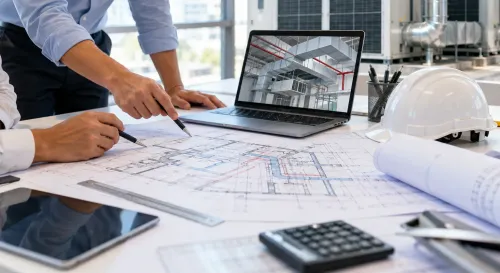
Comprehensive HVAC engineering involves far more than equipment selection. A professional consultant evaluates every aspect of the building before developing a complete mechanical design.
Typical services include:
- Heat load calculations
- Air distribution planning
- Ductwork design
- Equipment sizing
- Ventilation system design
- Smoke management integration
- Mechanical room planning
- Energy efficiency analysis
- Coordination with electrical and plumbing systems
- Building automation compatibility
Each element contributes to a balanced and efficient HVAC solution.
Factors That Influence HVAC System Design
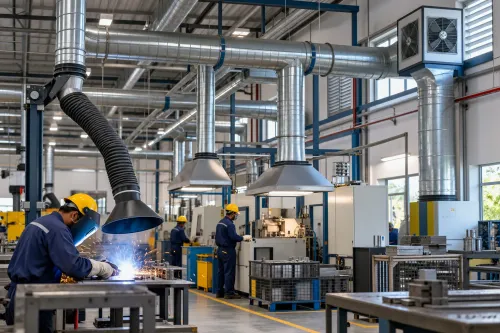
Every commercial project presents unique engineering challenges. A shopping centre, hospital, manufacturing plant, and corporate office all require different design strategies.
Engineers typically evaluate:
- Building orientation
- Local climate conditions
- Occupancy density
- Internal heat loads
- Operating schedules
- Future expansion plans
- Fresh air requirements
- Applicable building codes
Considering these factors early improves both comfort and long-term operating efficiency.
The Importance of Energy Efficiency
Energy consumption remains one of the largest operating expenses for commercial properties. Poor HVAC design can significantly increase electricity usage for decades.
Energy-efficient engineering focuses on:
- Optimized airflow
- High-performance equipment selection
- Variable speed systems
- Heat recovery solutions
- Demand-controlled ventilation
- Smart controls and automation
These strategies reduce utility costs while supporting sustainability objectives and green building certifications.
Integration with Other Building Services
HVAC systems do not function independently. They must operate seamlessly alongside electrical systems, fire protection, plumbing, and Building Management Systems (BMS).
Early coordination between engineering disciplines helps eliminate construction conflicts, improves installation quality, and shortens project timelines.
For complex developments, multidisciplinary collaboration is often one of the most valuable aspects of engineering consultancy.
Why Local Expertise Makes a Difference
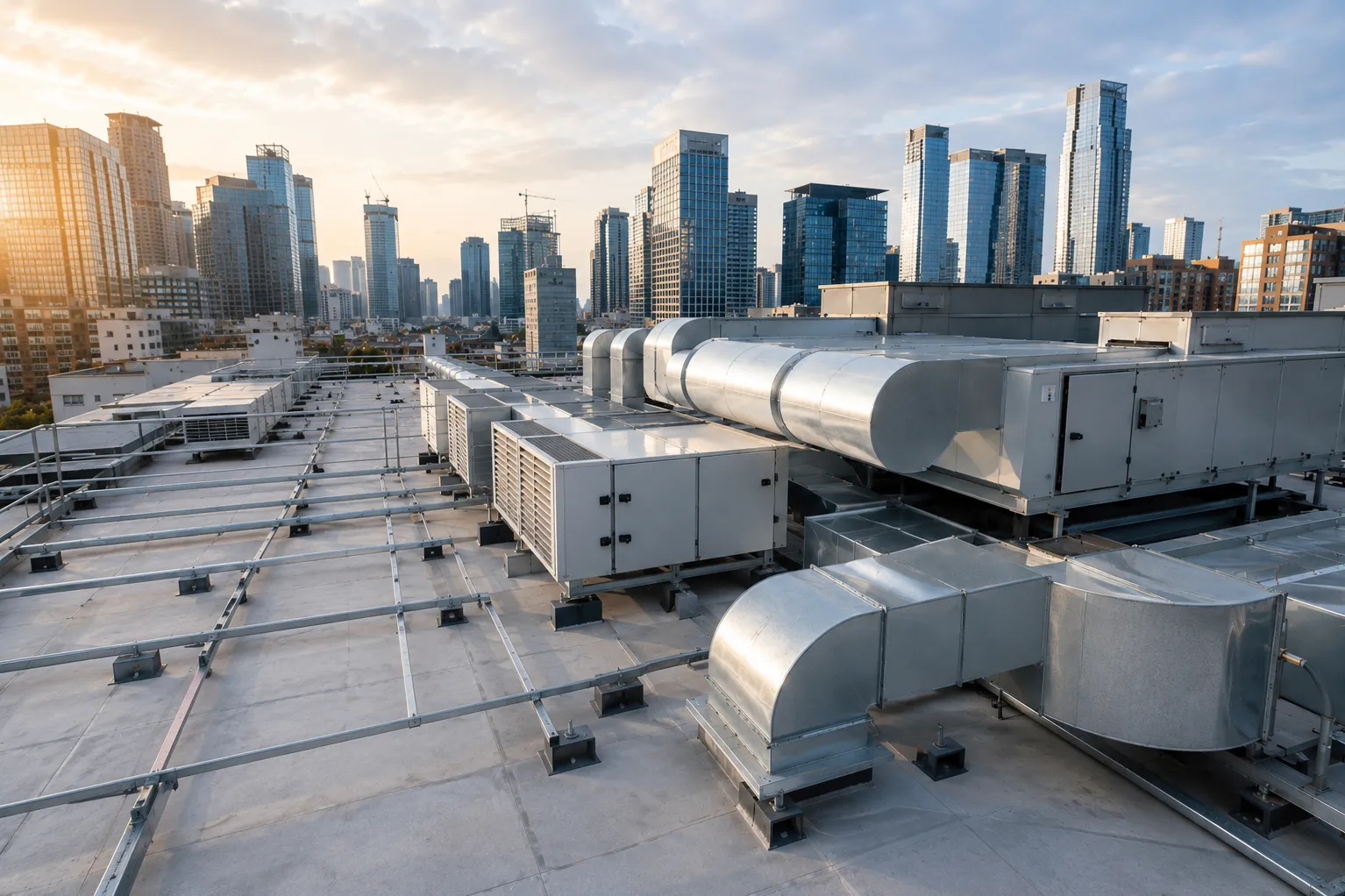
Commercial developments in Bangalore face unique environmental conditions, including varying temperatures, humidity levels, and rapid urban growth. Local engineering experience helps consultants address regional construction practices, municipal requirements, and climate-related design considerations.
Developers across Karnataka increasingly prioritize HVAC solutions that combine operational efficiency with occupant comfort while supporting sustainable infrastructure goals.
Choosing the Right Engineering Partner
When evaluating HVAC consultants, consider firms that offer:
- Proven commercial project experience
- Detailed engineering calculations
- BIM coordination capabilities
- Knowledge of national and international standards
- Sustainable design expertise
- Coordination across multiple engineering disciplines
These capabilities contribute to smoother project execution and better long-term building performance.
For projects requiring integrated mechanical engineering solutions, firms such as Arete Consulting Engineers combine HVAC expertise with electrical, fire protection, public health engineering, and green building consultancy. This multidisciplinary approach helps ensure that building systems work together efficiently from design through execution.
Thoughtful HVAC Design and Engineering Services are not simply about selecting equipment—they create healthier, more efficient, and future-ready commercial buildings. Careful planning at the design stage delivers lasting value through lower operating costs, improved occupant comfort, and reliable building performance for years to come.
Keywords