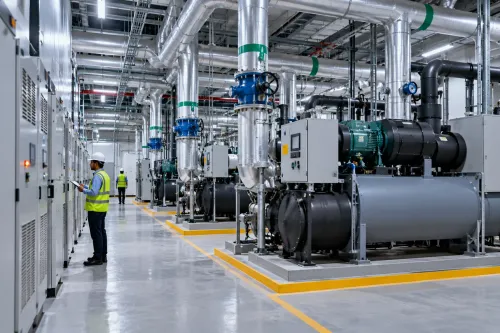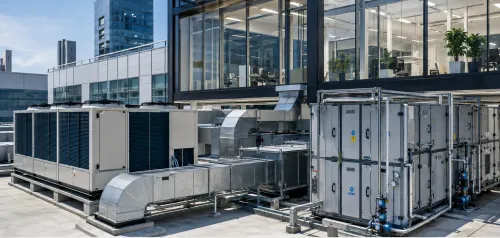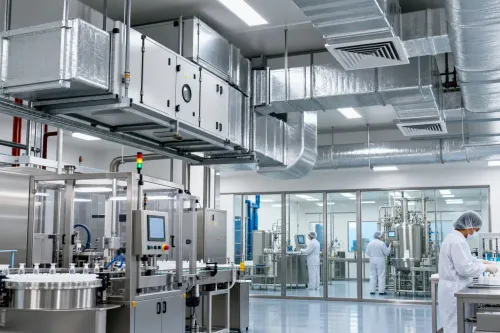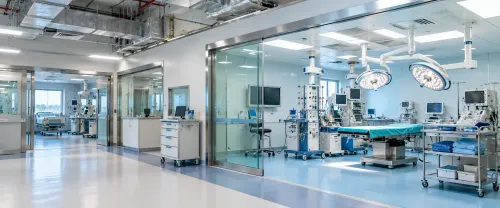
Cargo centres operate under demanding conditions where indoor temperature, ventilation, equipment heat, vehicle movement, and changing occupancy levels must be managed efficiently. These facilities may include receiving bays, sorting areas, storage zones, documentation offices, security rooms, loading docks, and specialised handling spaces.
Professionally designed HVAC Systems for Cargo Centres help maintain suitable working conditions while supporting safe handling, efficient movement, and uninterrupted logistics operations. Unlike conventional commercial cooling, cargo facility HVAC engineering must respond to large spaces, frequently opened doors, fluctuating loads, and extended operating schedules.
Why Cargo Centres Need Purpose-Built HVAC Design
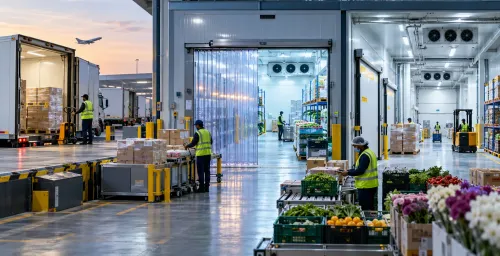
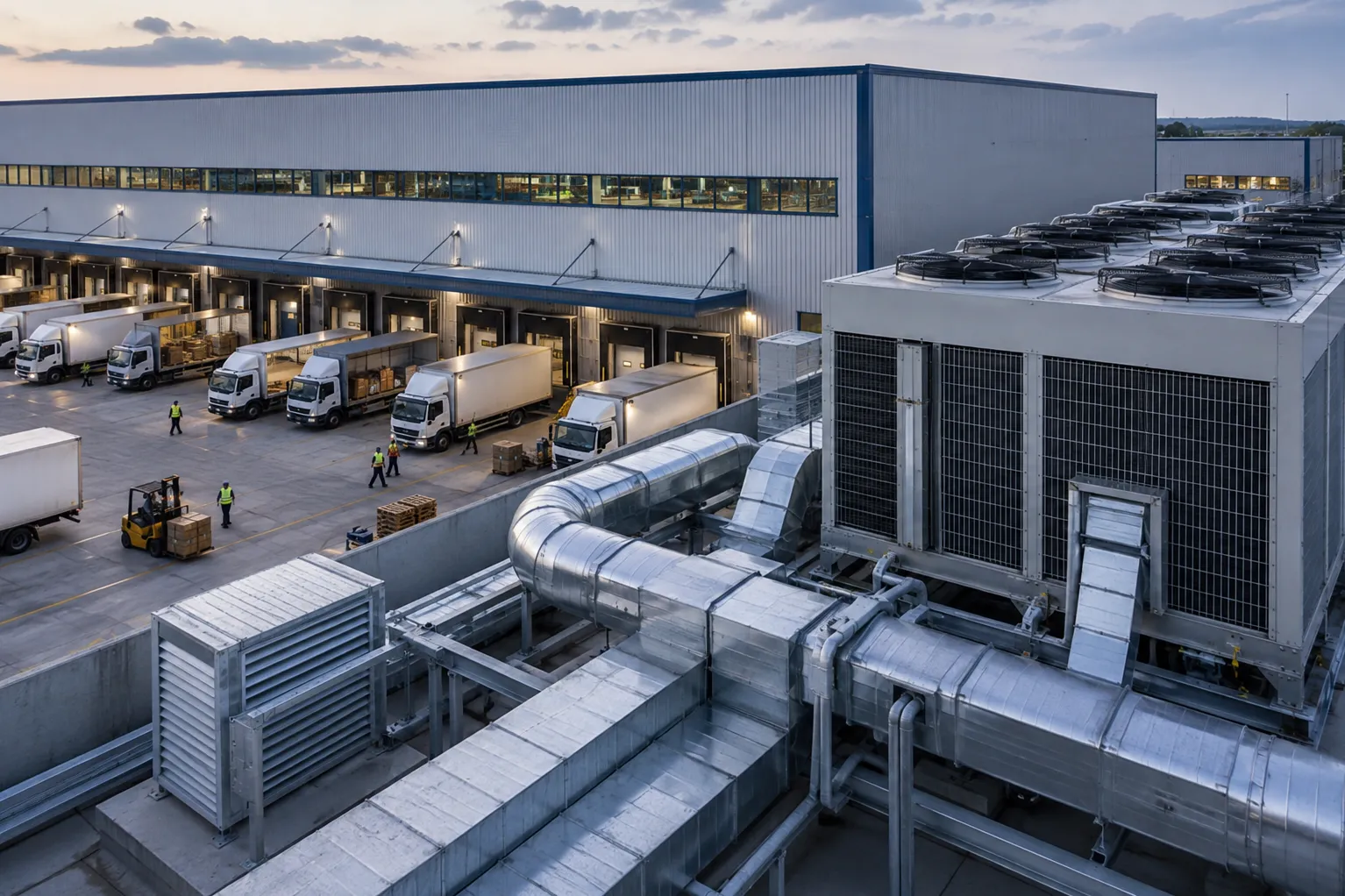
Cargo terminals experience conditions that change throughout the day. Delivery vehicles enter and leave, loading doors remain open during handling, workers move between zones, and sorting equipment generates additional heat.
A purpose-built HVAC system helps manage:
- Heat entering through loading bays
- Fumes from vehicle movement
- Dust from packaging and material handling
- Temperature variations between operational zones
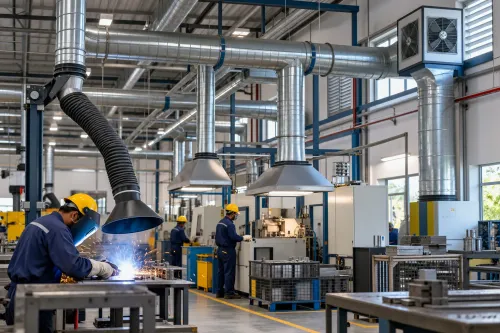
- Heat generated by conveyors and equipment
- Fresh air requirements for occupied areas
Designing around these realities creates a more stable and productive working environment.
Different Zones Require Different Conditions
A cargo centre cannot be treated as one large air-conditioned space. Each operational area has distinct ventilation and cooling requirements.
Common zones include:
- Loading and unloading bays
- Cargo sorting sections
- General storage areas
- Customs inspection rooms
- Administrative offices
- Security and monitoring rooms
- Packaging areas
- Staff facilities
Office spaces may require comfort cooling, while loading zones often depend on mechanical ventilation and exhaust systems. Storage areas may need temperature control based on the type of goods handled.
Zoning the system allows each area to receive the appropriate level of environmental control without wasting energy.
Managing Air Quality Near Loading Bays
Loading bays are frequently exposed to vehicle exhaust, outdoor dust, and warm air. Without effective ventilation, pollutants can enter sorting and storage sections.
A suitable engineering strategy may include:
- Mechanical exhaust systems
- Fresh air supply
- Air curtains near large openings
- Pressure control between zones
- Carbon monoxide monitoring
- Strategically positioned extraction points
These measures help improve indoor air quality while reducing the movement of contaminants into occupied spaces.
Controlling Energy Consumption
Cargo centres often operate for long hours, making energy efficiency an important design consideration. Oversized equipment, uncontrolled ventilation, and poorly planned zoning can increase electricity consumption significantly.
Energy-efficient HVAC engineering may use:
- Variable frequency drives
- Demand-based ventilation
- High-efficiency fans
- Occupancy-linked controls
- Building Management System integration
- Separate operating schedules for different zones
This allows the facility to respond to actual operational demand rather than running every system at full capacity continuously.
Planning for Operational Expansion
Logistics facilities frequently expand as shipment volumes increase. New sorting lines, additional storage areas, and automation equipment can change cooling and ventilation loads.
An adaptable HVAC design should consider:
- Future cargo-handling equipment
- Expansion of loading bays
- Increased workforce capacity
- Additional storage zones
- Upgraded monitoring systems
- Extended operating hours
Planning for these changes during the initial design stage can reduce costly modifications later.
Cargo Infrastructure Development in Bangalore
Bangalore’s position as a major centre for manufacturing, technology, e-commerce, and regional distribution has increased the need for efficient cargo and logistics infrastructure. Cargo facilities serving Karnataka must manage seasonal temperature variations, high operational activity, and growing shipment volumes.
Arete Consulting Engineers supports logistics and infrastructure projects through coordinated HVAC, electrical, fire protection, public health engineering, BMS, and green building consultancy. This multidisciplinary approach helps ensure that mechanical systems are properly integrated with the facility’s wider operational requirements.
HVAC Systems for Cargo Centres should support more than indoor comfort. A well-engineered solution improves air quality, protects operational areas, reduces energy waste, and prepares the facility for future growth. Early engineering coordination helps cargo developments achieve reliable performance throughout their operational lifecycle.
Keywords