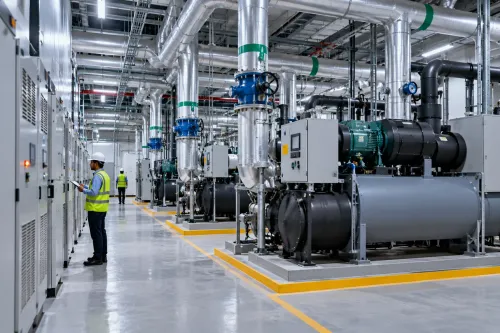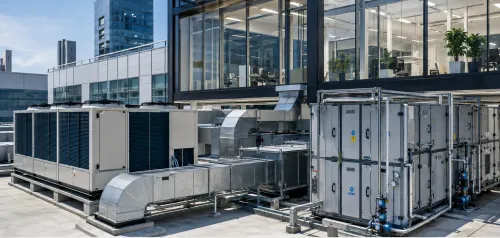
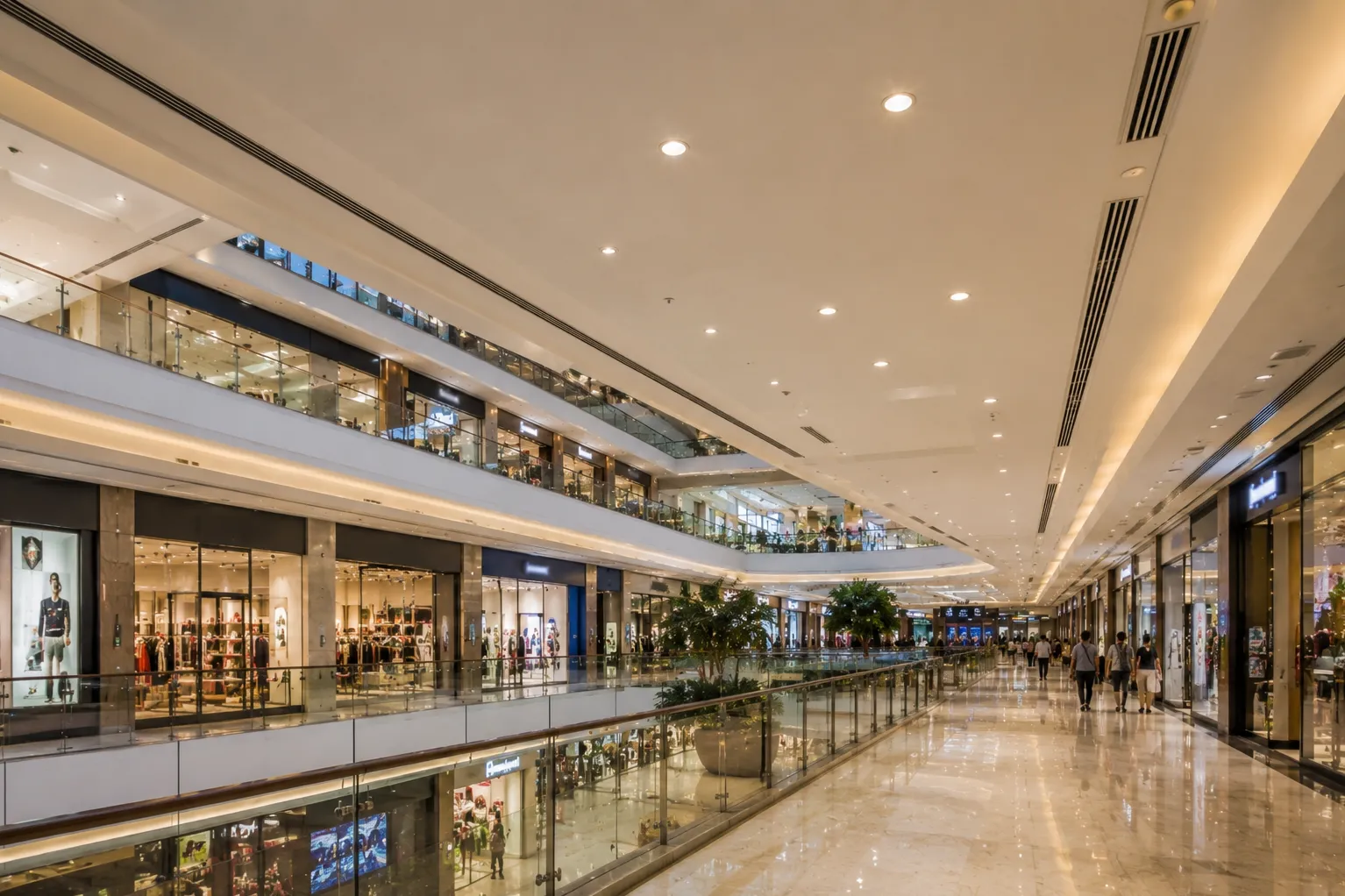
Shopping malls are dynamic environments where visitor comfort plays a major role in the overall customer experience. Large open spaces, multiple retail outlets, food courts, cinemas, entertainment zones, and changing occupancy levels all place unique demands on the building's HVAC system. Professionally engineered HVAC Systems for Shopping Malls help create comfortable indoor environments while improving energy efficiency and operational reliability.
An effective HVAC design ensures that shoppers enjoy a pleasant experience regardless of outdoor weather conditions, encouraging longer visits and supporting tenant satisfaction.
Why Shopping Malls Require Specialized HVAC Design
Unlike smaller commercial buildings, shopping malls experience significant fluctuations in occupancy throughout the day. Weekends, holidays, promotional events, and seasonal shopping periods can dramatically increase cooling and ventilation demands.
A specialized HVAC system helps maintain:
- Comfortable indoor temperatures
- Consistent airflow
- Fresh air ventilation
- Balanced humidity
- Energy-efficient operation
- Reliable performance during peak hours
These factors contribute to a better shopping experience for visitors.
Different Mall Areas Have Different Requirements
Every section of a shopping mall operates differently.
Examples include:
- Retail stores
- Anchor outlets
- Food courts
- Restaurants
- Multiplex cinemas
- Children's entertainment zones
- Common walkways
- Administrative offices
Each space requires customized cooling, ventilation, and air distribution to match its occupancy and operational needs.
Challenges in Mall HVAC Engineering
Shopping malls present several engineering challenges that require careful planning.
These include:
- Large glass facades
- High internal heat gains
- Escalators and lifts generating heat
- Food court exhaust requirements
- Continuous visitor movement
- Extended operating hours
Professional engineering ensures these factors are considered during system design rather than addressed after construction.
Improving Energy Efficiency
Because shopping malls consume substantial energy, efficient HVAC operation has a significant impact on operating costs.
Modern engineering solutions often include:
- Variable air volume systems
- Demand-controlled ventilation
- Energy-efficient chillers
- Smart zoning
- Building automation systems
- Heat recovery technologies
These measures reduce energy consumption while maintaining occupant comfort.
Benefits for Mall Owners and Tenants
A properly designed HVAC system provides several long-term advantages:
- Better visitor comfort
- Improved indoor air quality
- Lower utility expenses
- Reduced maintenance costs
- Longer equipment lifespan
- Enhanced tenant satisfaction
These benefits contribute to the overall success of commercial retail developments.
Importance of Early Engineering Coordination
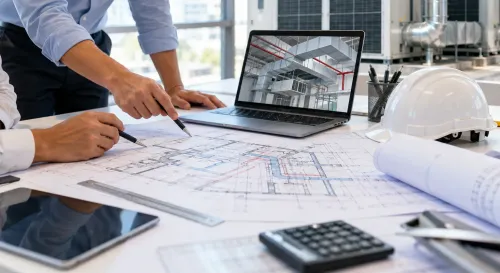
Mall HVAC systems must integrate with electrical services, fire protection, public health engineering, security systems, and Building Management Systems. Early multidisciplinary coordination helps reduce construction delays and ensures smooth project execution.
For retail developments in Bangalore, engineering consultants familiar with regional climate conditions and commercial construction practices can deliver more practical and efficient solutions.
Arete Consulting Engineers provides integrated engineering consultancy for commercial developments, combining HVAC engineering with electrical, fire protection, BMS, public health engineering, and green building services. Their coordinated design approach helps shopping mall projects achieve reliable performance and long-term operational efficiency.
HVAC Systems for Shopping Malls are a vital part of creating attractive, comfortable, and energy-efficient retail environments. Thoughtful engineering not only improves visitor satisfaction but also supports lower operating costs and sustainable building performance over the lifetime of the property.
Keywords