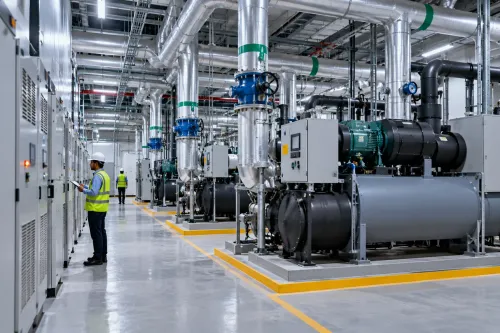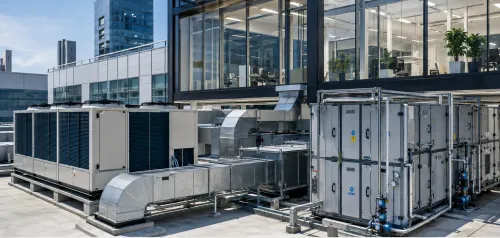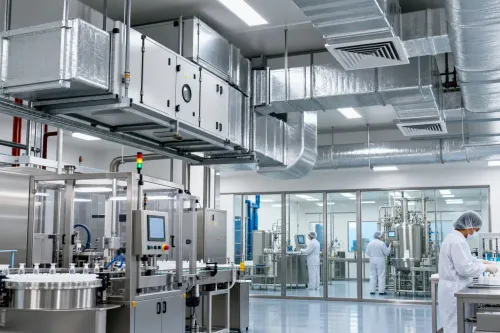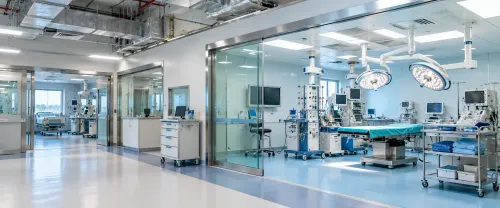
Air quality is one of the most overlooked factors affecting industrial productivity, employee safety, and equipment performance. Manufacturing plants often generate heat, dust, fumes, vapours, smoke, and airborne contaminants that cannot be managed by standard comfort cooling systems. This is where well-engineered Industrial Ventilation Systems become essential.
A properly designed ventilation system does much more than circulate air. It creates a safer workplace, protects production processes, extends equipment life, and helps facilities comply with environmental and occupational safety requirements.
Why Industrial Ventilation Is Different from General Ventilation
Industrial facilities face environmental conditions that vary widely depending on the manufacturing process. Welding workshops, pharmaceutical plants, food processing units, chemical factories, and engineering industries all produce different contaminants that require specific ventilation strategies.
Unlike conventional ventilation, industrial systems are designed to:
- Remove process-generated heat
- Extract harmful fumes and gases
- Control airborne dust
- Improve indoor air quality
- Maintain safe working conditions
- Protect sensitive machinery
Every ventilation solution must be tailored to the operations carried out inside the facility.
Common Sources of Indoor Air Contamination
Many manufacturing processes release pollutants that accumulate without adequate ventilation.
These include:
- Welding fumes
- Chemical vapours
- Dust particles
- Smoke
- Solvent emissions
- Heat from machinery
- Moisture from production processes
If not properly managed, these contaminants can reduce productivity, damage equipment, and affect employee health.
Essential Components of an Industrial Ventilation System
A complete ventilation system generally consists of several interconnected components.
These may include:
- Fresh air supply units
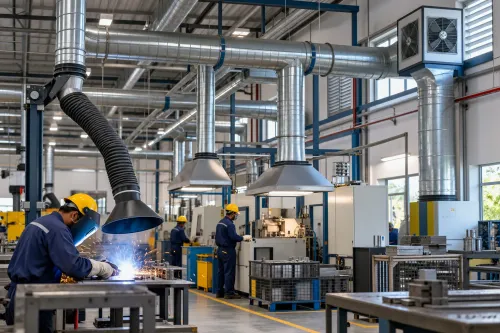
- Local exhaust ventilation
- Industrial exhaust fans
- Air filtration systems
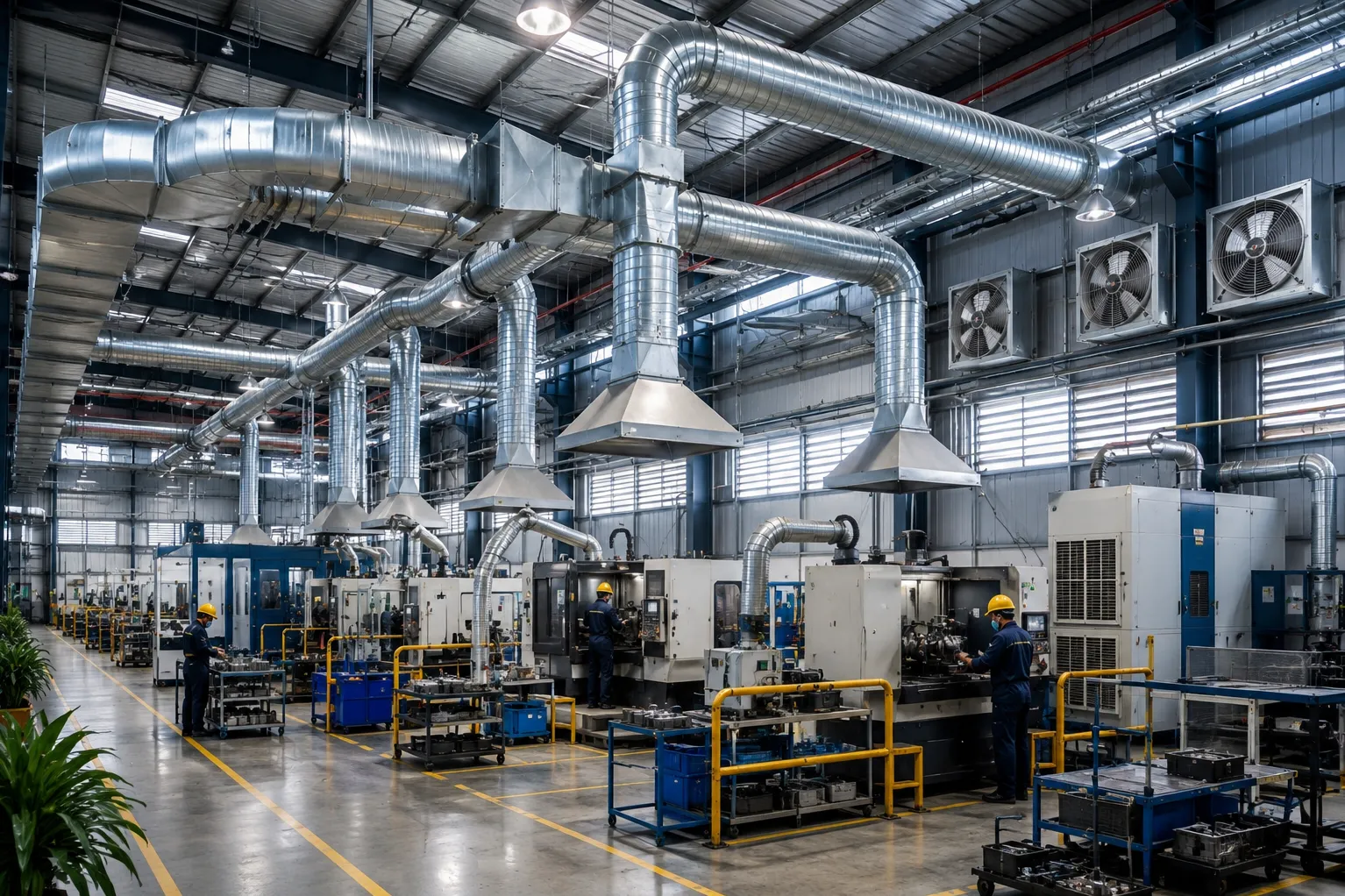
- Duct networks
- Dust collection interfaces
- Air handling units
- Automated monitoring controls
Selecting the right combination depends on the facility's operational requirements.
Benefits of Proper Ventilation Engineering
Professionally engineered industrial ventilation provides measurable operational advantages.
These include:
- Better workplace safety
- Improved employee comfort
- Reduced airborne contamination
- Enhanced equipment reliability
- Lower maintenance requirements
- Compliance with safety regulations
- Increased production efficiency
These benefits often translate into lower operating costs over the long term.
Planning for Future Growth
Industrial facilities frequently expand production capacity as demand increases.
An effective ventilation design should consider:
- Additional machinery
- Expanded production lines
- Increased occupancy
- Future process modifications
- Flexible airflow capacity
Planning ahead helps avoid costly redesigns later.
The Importance of Integrated Engineering
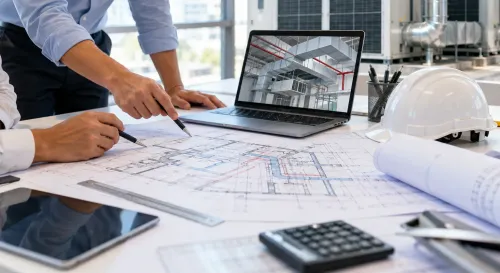
Industrial ventilation systems work alongside HVAC, electrical engineering, fire protection, plumbing, and Building Management Systems. Coordinating these disciplines during the design phase minimizes construction conflicts and improves installation efficiency.
Manufacturing developments across Bangalore continue to grow in sectors such as aerospace, biotechnology, engineering, electronics, and pharmaceuticals. Projects in these industries benefit from engineering consultants who understand both regional conditions and industry-specific operational requirements.
Arete Consulting Engineers provides multidisciplinary engineering consultancy covering industrial ventilation, HVAC, electrical engineering, fire protection, public health engineering, BMS, and green building solutions. This integrated approach enables clients to develop reliable and efficient industrial infrastructure from concept through commissioning.
Industrial Ventilation Systems are an investment in workplace safety, operational continuity, and long-term productivity. Careful engineering ensures facilities maintain healthy indoor environments while supporting efficient manufacturing operations for years to come.
Keywords