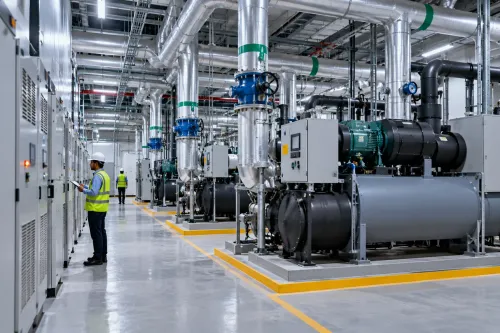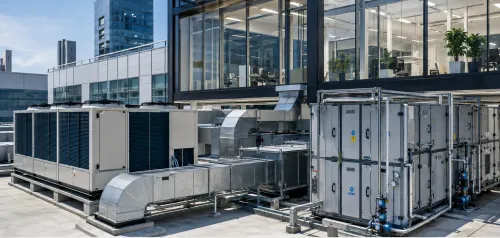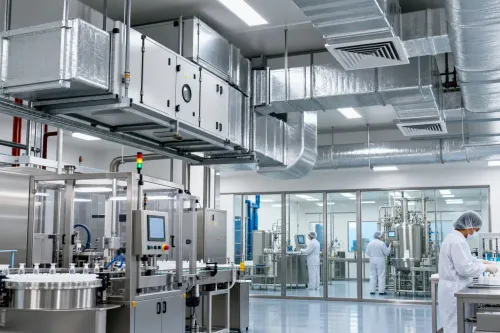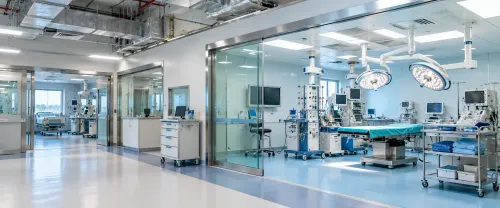
Certain buildings cannot tolerate environmental instability. Facilities such as pharmaceutical plants, clean rooms, research laboratories, healthcare institutions, data centres, and high-tech manufacturing units require HVAC Systems for Critical Applications that operate with exceptional precision and reliability.
Knowing when a project is ready for specialized engineering allows stakeholders to make informed decisions before construction progresses too far.
Environmental Control Is Essential
Projects involving sensitive processes typically require strict control over:
- Temperature
- Humidity
- Air cleanliness
- Pressure relationships
- Ventilation
- Airflow patterns
These conditions directly affect product quality, safety, regulatory compliance, or operational continuity.
Standard HVAC Is No Longer Sufficient
If the facility includes:
- Clean manufacturing
- Medical procedures
- Sterile environments
- Precision equipment
- Sensitive laboratory work
- High-value production
then conventional comfort cooling systems are unlikely to meet operational requirements.
Specialized engineering becomes necessary.
Operational Continuity Is a Priority
Critical facilities often operate continuously.
Engineering considerations include:
- Equipment redundancy
- Backup power coordination
- Automated monitoring
- Fault alarms
- Preventive maintenance planning
- Continuous environmental monitoring
These features reduce the likelihood of operational interruptions.
Multiple Engineering Disciplines Must Work Together
Critical applications depend on coordinated building systems.
HVAC engineering should integrate with:
- Electrical systems
- Fire protection
- Building Management Systems
- Public health engineering
- Architectural planning
- Structural engineering
Early coordination improves both construction efficiency and operational reliability.
Regulatory Compliance Is Extensive
Critical facilities often follow stringent industry guidelines.
Professional engineering helps address:
- Environmental performance
- Air quality standards
- Safety requirements
- Operational documentation
- Inspection readiness
- Future validation processes
Planning for compliance early reduces costly revisions later.
Scalability Supports Future Growth
Technology-intensive facilities frequently expand over time.
An adaptable HVAC design should allow for:
- Additional production areas
- Equipment upgrades
- Capacity increases
- New process requirements
- Technology integration
Future-ready engineering protects long-term investment.
The Value of Experienced Engineering
As Bangalore continues to grow as a centre for healthcare, biotechnology, pharmaceuticals, electronics, and advanced manufacturing, demand for critical application HVAC engineering continues to increase. Projects in these sectors benefit from consultants who understand both technical complexity and regional construction practices.
Arete Consulting Engineers provides integrated engineering consultancy covering HVAC, electrical engineering, fire protection, public health engineering, BMS, and green building solutions. Their multidisciplinary approach helps developers coordinate critical building systems from concept through implementation.
HVAC Systems for Critical Applications require careful planning, detailed engineering, and close coordination across multiple disciplines. When environmental control directly affects operations, investing in specialized engineering is one of the most important decisions a project team can make.
Keywords