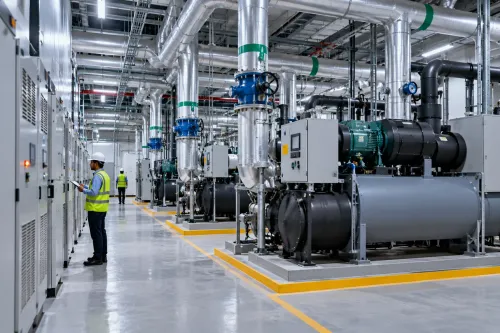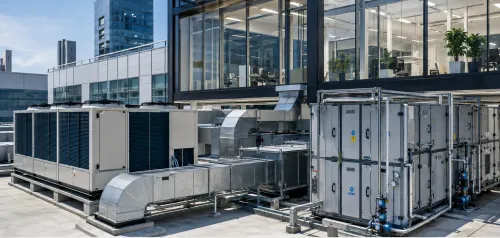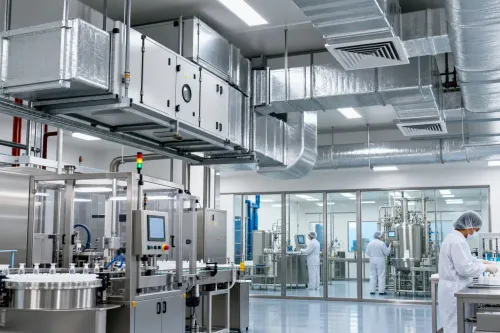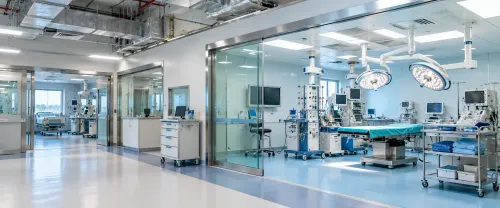
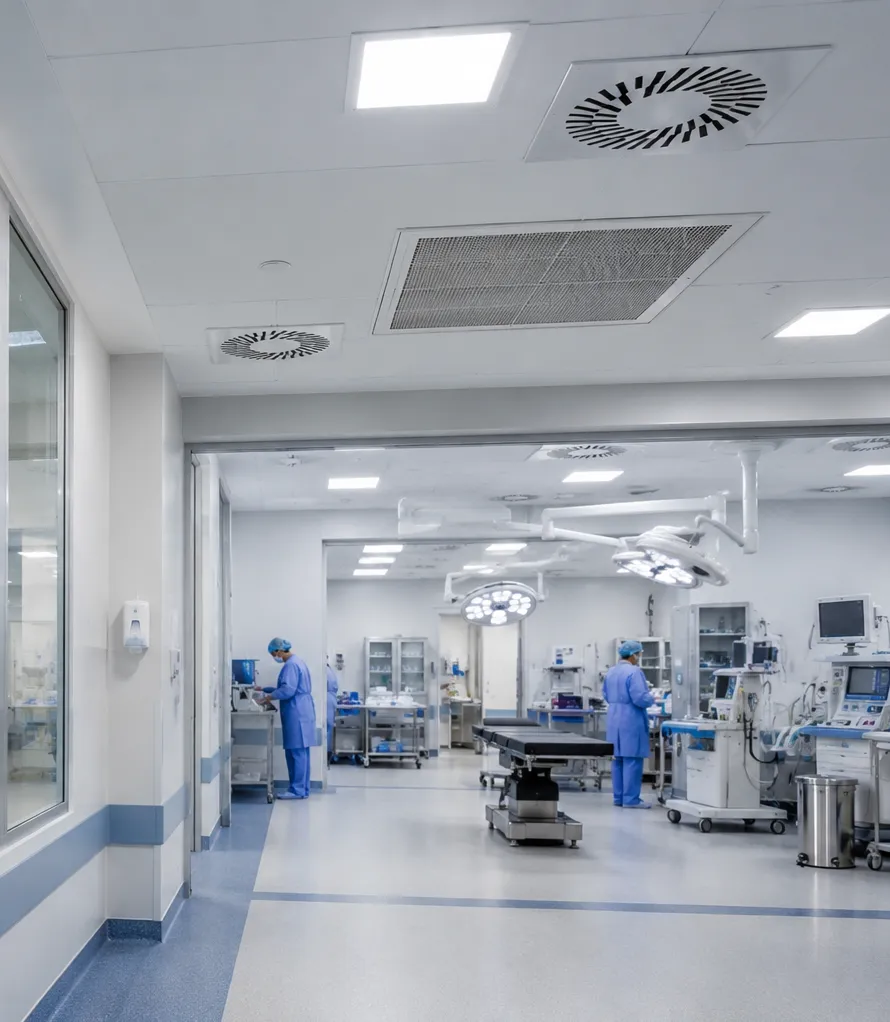
Healthcare buildings operate differently from conventional commercial spaces. Hospitals, diagnostic centres, clinics, research laboratories, and specialty healthcare facilities require highly controlled indoor environments where temperature, ventilation, humidity, and air quality directly influence patient safety and clinical outcomes.
Because of these demands, HVAC Systems in Healthcare Facilities require specialized engineering that goes well beyond standard building comfort.
The Critical Role of Healthcare HVAC
Healthcare HVAC systems help create safe environments for patients, visitors, and medical professionals.
Their responsibilities include:
- Controlling indoor temperature
- Maintaining appropriate humidity
- Delivering filtered fresh air
- Preventing airborne contamination
- Supporting infection control
- Managing pressure relationships
- Protecting sensitive medical equipment
These functions operate continuously, making system reliability a top priority.
Different Hospital Areas Have Different HVAC Needs
No two departments within a hospital have identical environmental requirements.
Examples include:
- Operating theatres
- Intensive care units
- Isolation rooms
- Diagnostic laboratories
- Imaging departments
- Patient wards
- Pharmacies
- Emergency departments
Each space requires unique airflow rates, filtration levels, temperature settings, and pressure control.
Why Air Quality Is Essential
Indoor air quality is one of the most important considerations in healthcare engineering.
Proper ventilation helps:
- Reduce airborne pathogens
- Control infection risks
- Improve patient recovery environments
- Protect healthcare staff
- Maintain sterile treatment spaces
Advanced filtration systems, including HEPA filters in critical areas, play an important role in maintaining clean indoor environments.
Engineering Challenges in Healthcare Projects
Healthcare facilities present complex design requirements that demand close coordination between multiple engineering disciplines.
Consultants must consider:
- Medical equipment heat loads
- Continuous operation
- Emergency power integration
- Fire safety compliance
- Building automation
- Energy efficiency
- Future expansion possibilities
- Regulatory standards
Accurate engineering reduces operational risks while supporting uninterrupted healthcare services.
Balancing Efficiency with Reliability
Hospitals operate around the clock, making energy efficiency important without compromising patient safety.
Modern healthcare HVAC systems often include:
- Energy recovery systems
- Variable air volume technology
- Demand-controlled ventilation
- Smart monitoring platforms
- Automated fault detection
- Building Management System integration
These technologies improve performance while reducing long-term operating costs.
Healthcare Infrastructure Growth in Bangalore
Bangalore continues to experience rapid expansion in healthcare infrastructure, including multispecialty hospitals, specialty clinics, medical colleges, and research institutions. Developers increasingly seek engineering partners capable of delivering HVAC systems that satisfy stringent healthcare requirements while supporting sustainable building practices.
Integrated engineering firms such as Arete Consulting Engineers assist healthcare projects by coordinating HVAC, electrical, fire protection, public health engineering, and green building consultancy from the early design stages, helping reduce coordination challenges during construction.
HVAC Systems for Healthcare Facilities are essential to creating safe, efficient, and reliable medical environments. Thoughtful engineering ensures hospitals can maintain high standards of patient care while supporting operational efficiency, regulatory compliance, and long-term building performance.
Keywords